
Why is this 2,500 Year Old Detail Important in Design?
y
I took this photo at the British Museum, and while I was standing there looking at a fluted Doric column, my designer brain did what it tends to do…
It started connecting dots.
Because once you notice fluting, you start seeing it everywhere. In ancient columns. In Art Deco furniture. In tambour doors. In reeded glass. In cabinet fronts. In fireplace surrounds. In the fluted wall panels showing up in interiors right now.
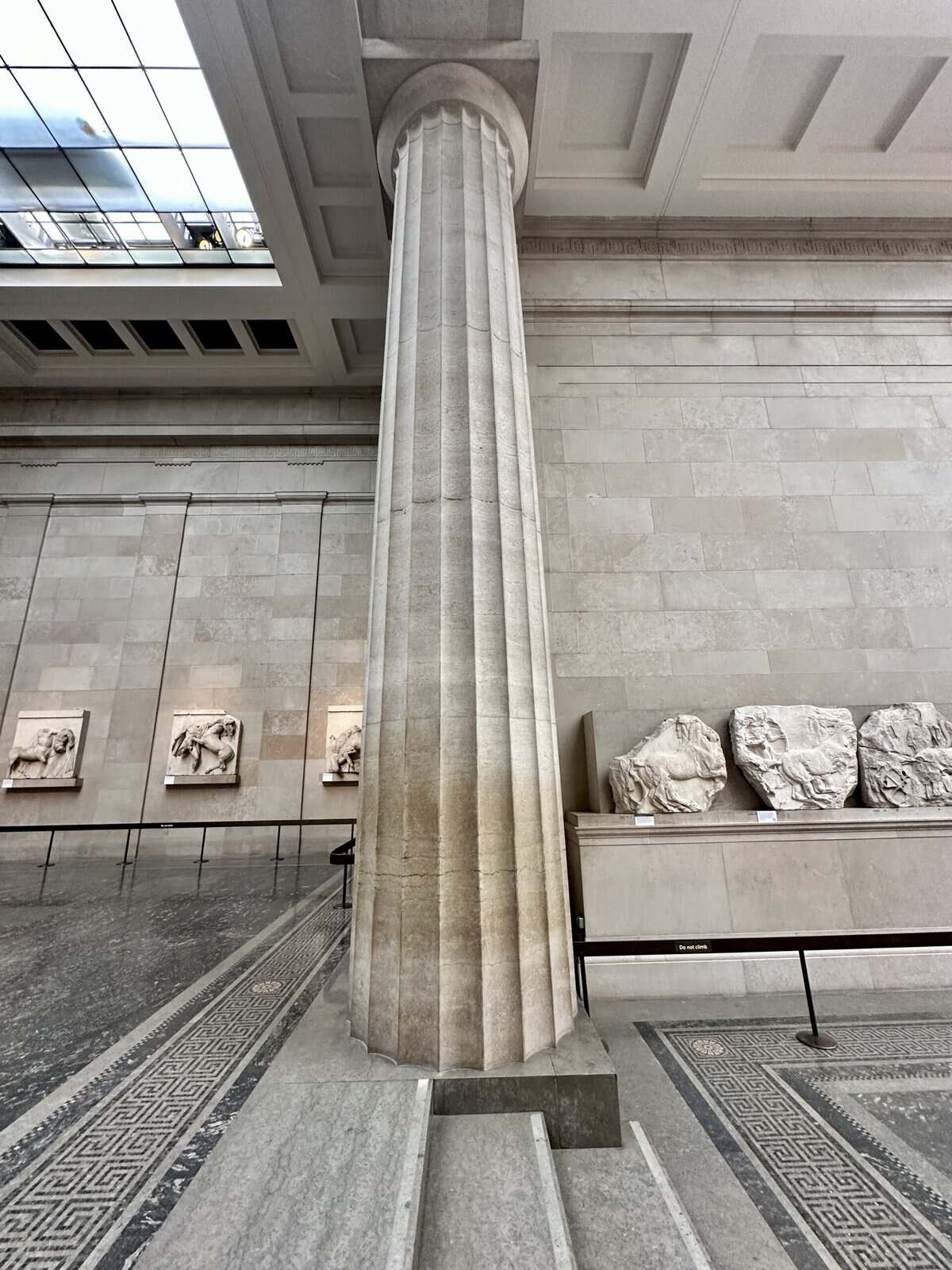
That is what I love about design. The best details rarely disappear. They travel. They get reinterpreted. They show back up centuries later and if you didn’t know they were ancient, well, you wouldn’t know. Kinda like when you hope someone guesses your age and its way younger than your actual age? Ok, that was a stretch but you get what I’m saying.
Let’s take one of the ancient details we find, fluting. You have seen it appear through out the decades but did you know its roots include a Greek wonder called the Doric column.
Where Fluting Began: The Doric Column
The Doric column is one of the oldest classical architectural orders. It came out of ancient Greece, and it is known for being strong, simple, and restrained.
No scrolling Ionic capital.
No leafy Corinthian drama.
The Doric column is a bit more serious. It stands there with broad shoulders and a strong sense of purpose (because it had one).
As we have learned through so many life lessons and 80’s teen movies, simple does not mean plain.
More Than Decoration: Light, Shadow, and Rhythm
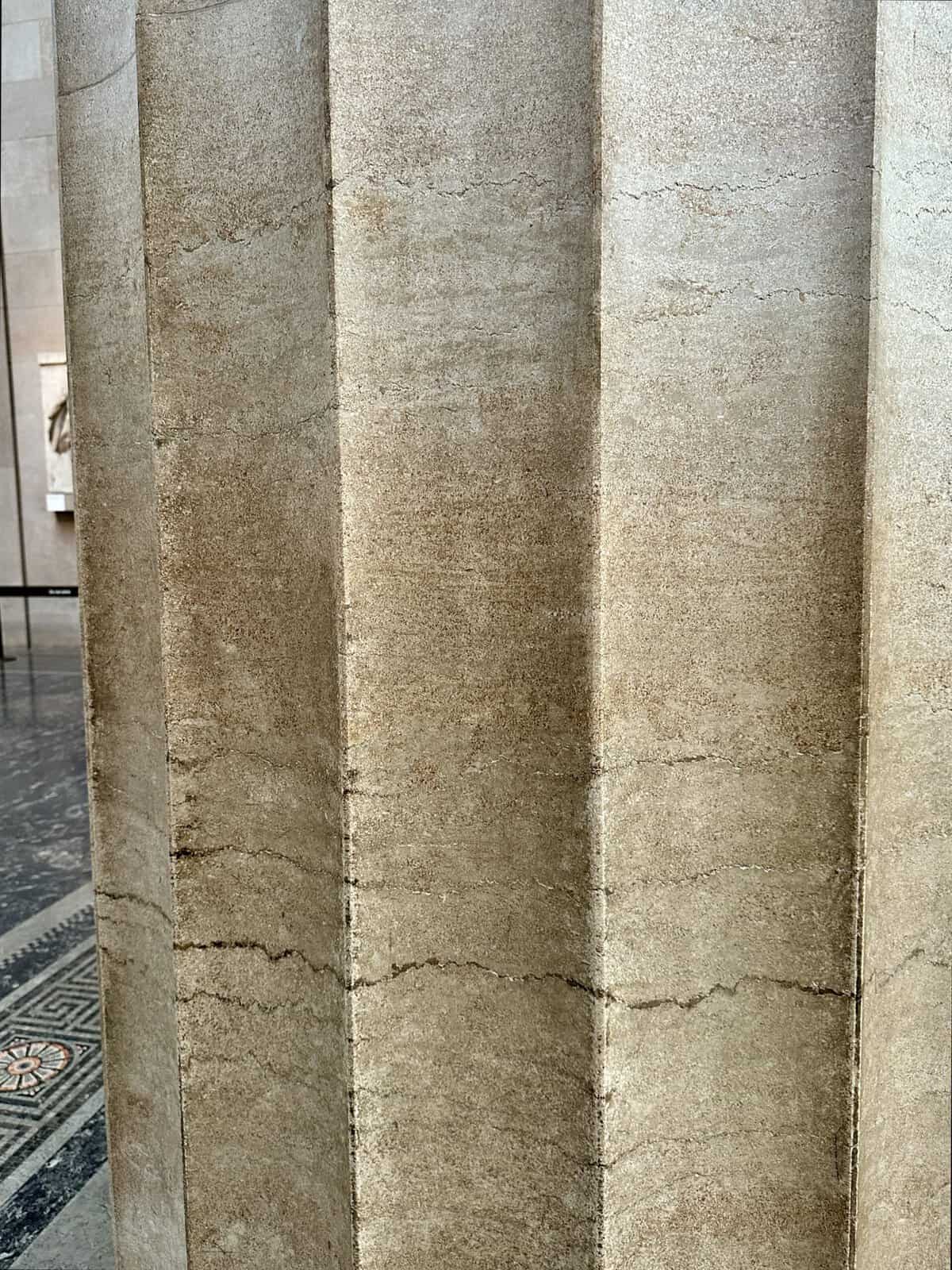
Those carved vertical grooves were not decoration for decoration’s sake. They created rhythm. They caught the light. They gave shadow to stone. They helped a heavy column feel taller, more refined, and more alive.
And this is where design history becomes far more fascinating than “an impressive old column at a museum.”
Early Greek architecture was moving away from temporary materials like wood and mudbrick and into stone. Why does this shift matter? A temple built in wood could be considered temporary. It says, this serves us now. A temple built in stone shows strength and says, this is meant to last.
The Doric order belongs to that moment when architecture became more permanent and more monumental. The Greeks were not simply building shelter, they were making their mark. They were building meaning, civic identity, religious devotion, proportion, and permanence into the landscape.
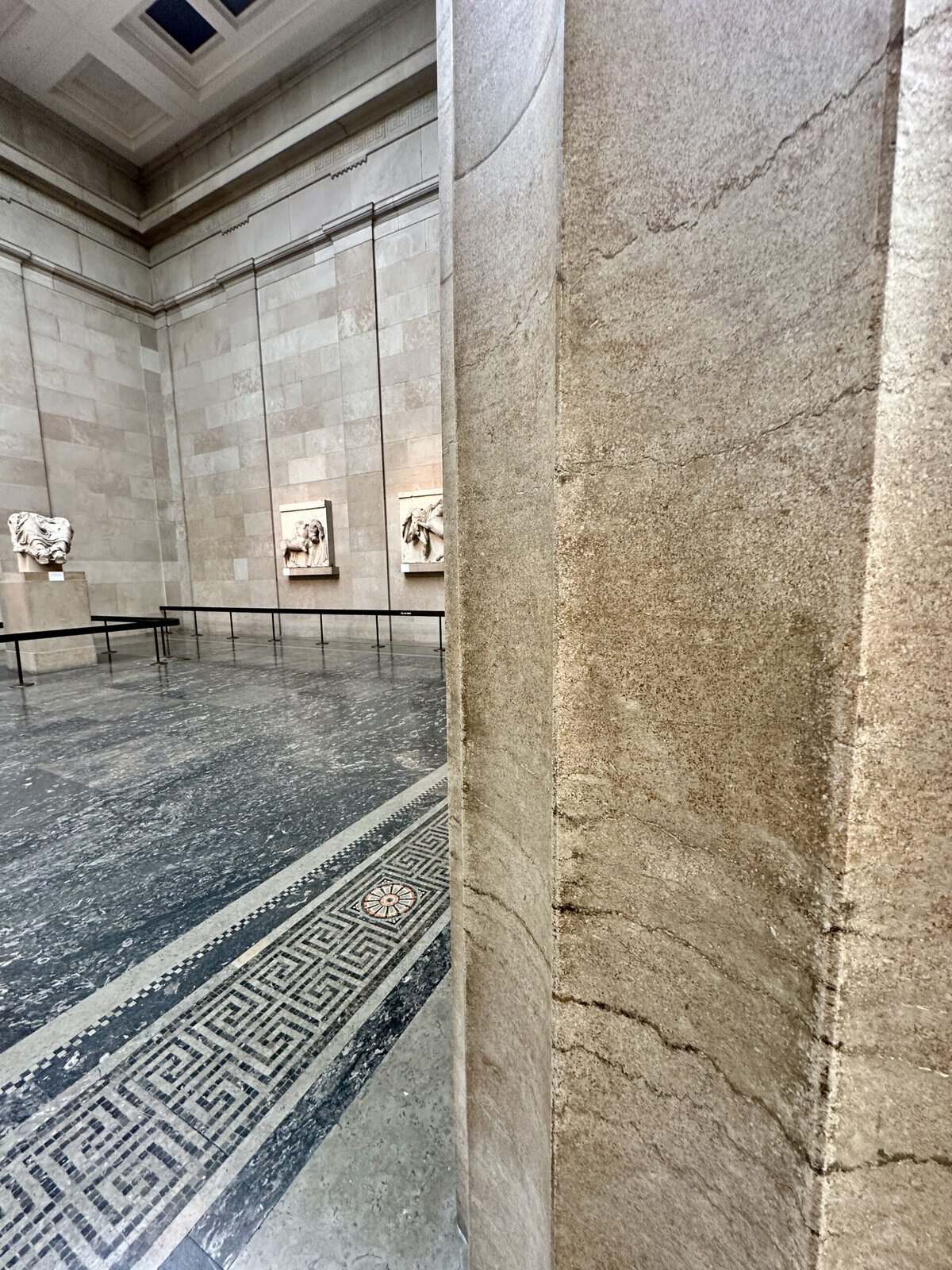
Many columns were made from local stone, limestone, or marble, depending on the place and the importance of the building. They were often constructed from stacked circular sections called drums rather than carved from a single piece. Look closely at many ancient columns and you can still see the seams where those drums were joined.
And then came the real artistry.
The flutes had to be carved down the shaft with care and consistency. Those repeated concave grooves created a play of light and shadow that made the column feel dimensional from every angle. A round stone shaft could have looked heavy and lifeless. Fluting gave it movement.
There was a bit of visual science at work too.
The Science of Perception: What Is Entasis?
Many classical columns use something called entasis, a slight outward swelling in the shaft. It is subtle, but it matters. A perfectly straight column can appear to bow inward or feel visually weak. Entasis corrects that illusion. The column is not perfectly straight, but it feels right to the eye.
That is the part that started my wheels spinning.
The Greeks were not only working with stone. They were working with human perception. They understood that design is not just math. It is how something feels when we stand in front of it. It is how light moves across a surface. It is how proportion changes the way we experience a room, a building, or even a single wall. Read this again and let it sink in. Now apply it to some of the design you see today and you will understand this beautiful friendship of math and beauty equaling exquisite time-tested design.
From Stone to Tambour Walls: Fluting Through the Decades
So when we talk about fluting today, we are not just talking about a trend. We are talking about a design language that has been with us for centuries.
We saw it in classical architecture. We saw it return in furniture and millwork. Art Deco loved a vertical line and a repeated curve. Tambour doors brought that rhythm into cabinetry. Reeded glass used it to blur and soften. And now fluted tambour wall panels are bringing that same architectural texture into our interiors.
The materials changed. Stone became wood. Wood became glass. Glass became cabinetry. Cabinetry became wall panels.
But the idea stayed the same.
A flat surface becomes more interesting when it has rhythm. A wall feels taller when vertical lines draw the eye upward. A cabinet front feels more considered when light and shadow move across it.
Texture gives architecture a pulse.
How to Use Fluted Details in Your Home
That is why fluted details continue to work so well in interiors. They are not loud, but they are not boring either. They add depth without needing a pattern. They bring architecture into a room without overwhelming it. They can read classical, Art Deco, modern, or organic depending on the material and scale.
And yes, like all good things, they can absolutely be overdone. Fluting does not need to be on every cabinet, every wall, every island, and every piece of furniture in the house. We do not need to live inside a very glamorous accordion, now if you want to…well then that’s a different story.
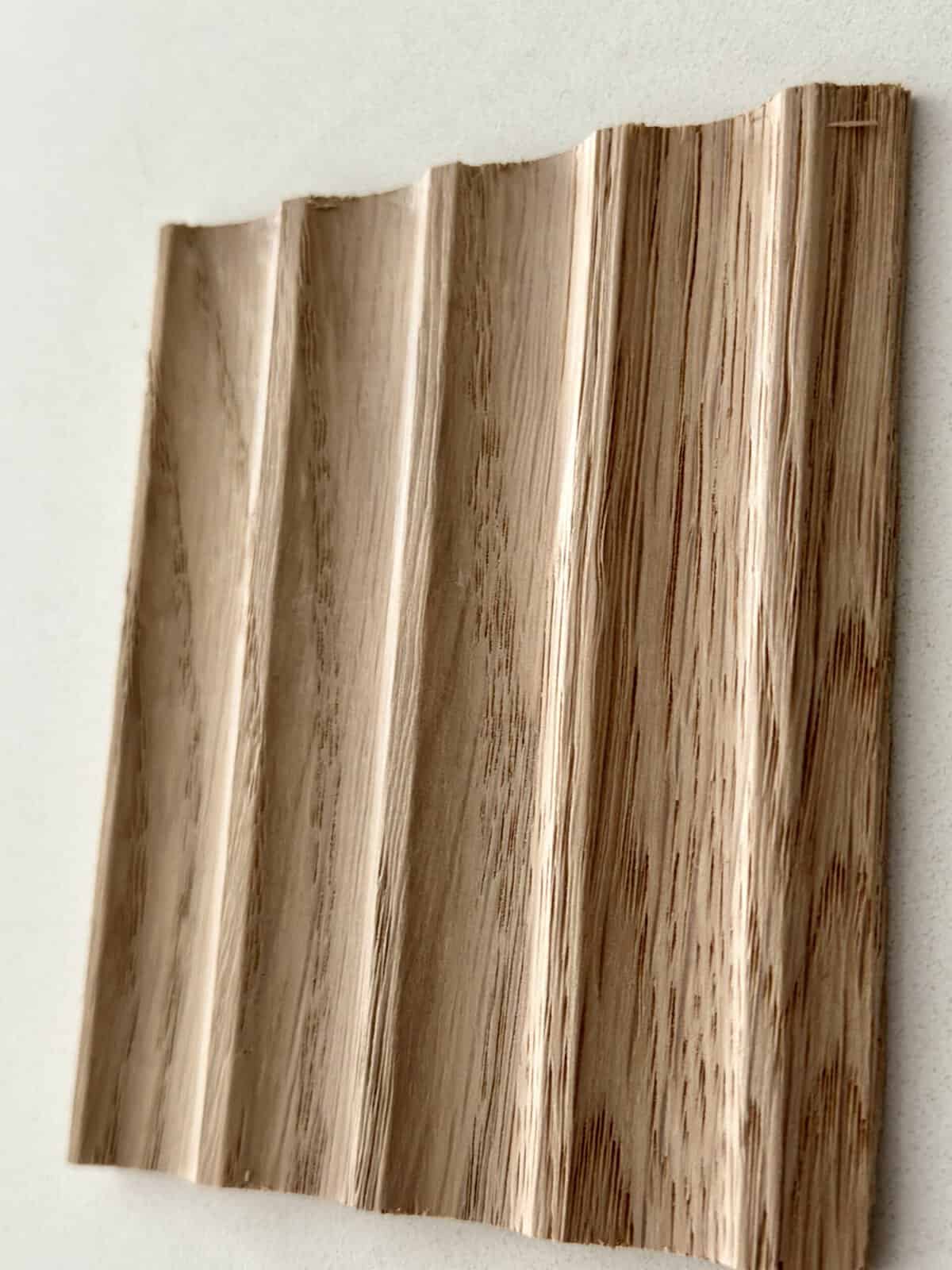
But used well? It is beautiful. A fluted panel behind a dry bar. A reeded cabinet front in a powder room. Tambour detail on a kitchen island. A textured wall in a dining space. A fireplace with vertical movement. These are the details that make a room feel layered instead of flat.
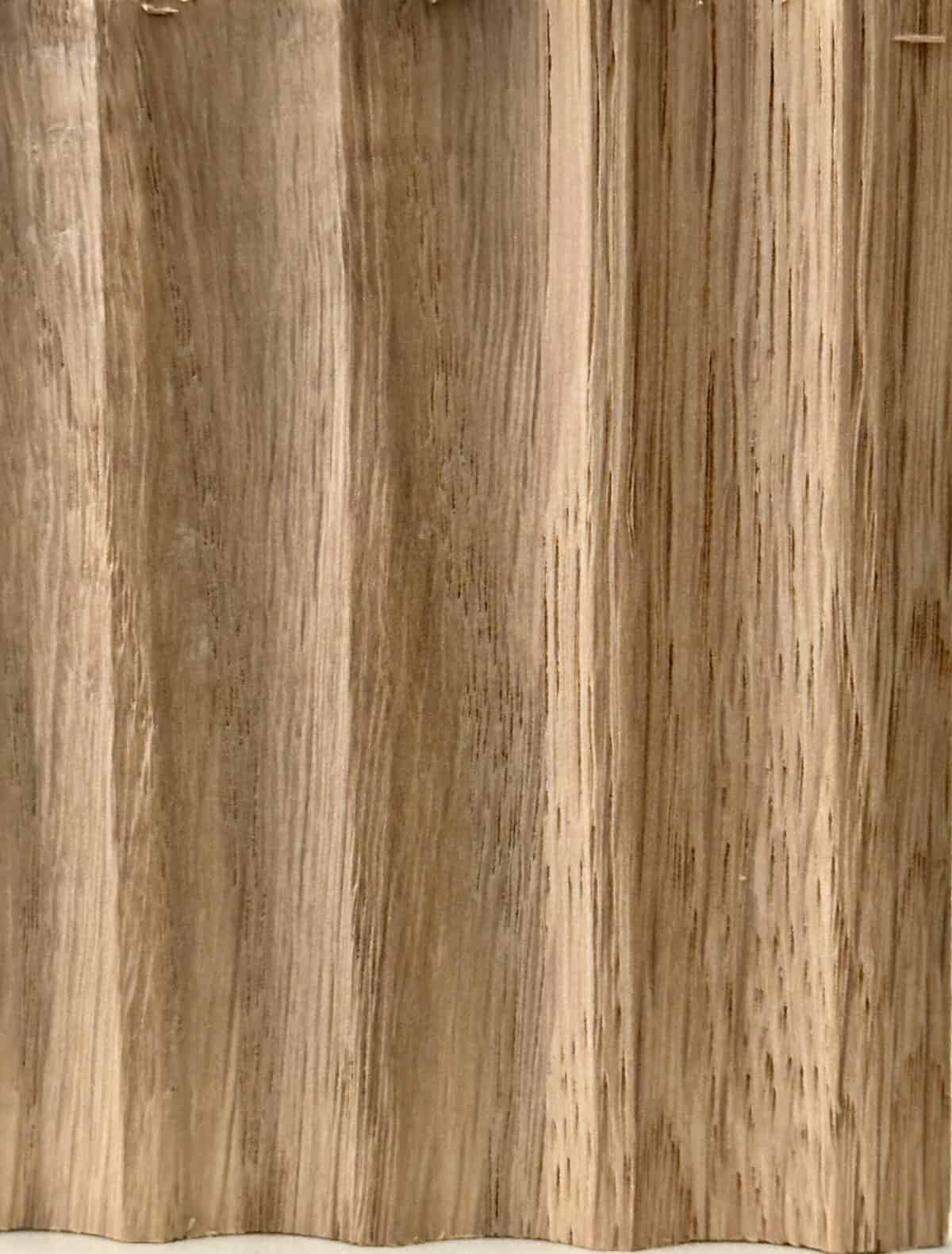
Standing in the British Museum, looking at that column, I was reminded that design rarely starts from nowhere. The things we love now often have roots much deeper than we realize.
What feels current may actually be ancient. What looks fresh may be a centuries-old idea, edited for the way we live today.
That is the beauty of design history.
It is never really gone. It is just waiting for us to notice it again.
Here’s to not only noticing the detail but digging deep to understand its significance. Until later, keep creating home my friends.


Joy Maier is the founder and principal designer of The Aspiring Home Interiors, an award-winning studio serving the greater Dallas area and beyond. Blending gracious living with elevated design expertise, Joy creates interiors that feel deeply personal, beautifully refined, and effortlessly livable — from full-home renovations to boutique vacation rentals. Her professional affiliations include ASID (Associate), ART, the Interior Design Society (Professional), NKBA, VRD Collective, and she is a founding member of Designers for Dogs. Since 2012, she has shared design tips and heartfelt stories on The Aspiring Home Blog. Her philosophy is simple: “Design should feel like a deep breath. When we get it right, your home greets you with that exhale every single day.”