
3 Beautiful Flooring Patterns I Stole From The Streets Of France
You know that friend who comes back from France with a camera roll full of doorways and drain covers instead of common tourist photo collections?
Hi. It’s me.
Except mine was full of streets and doors and doorways — because block after block, the stones kept changing their pattern, and well, I was fascinated.
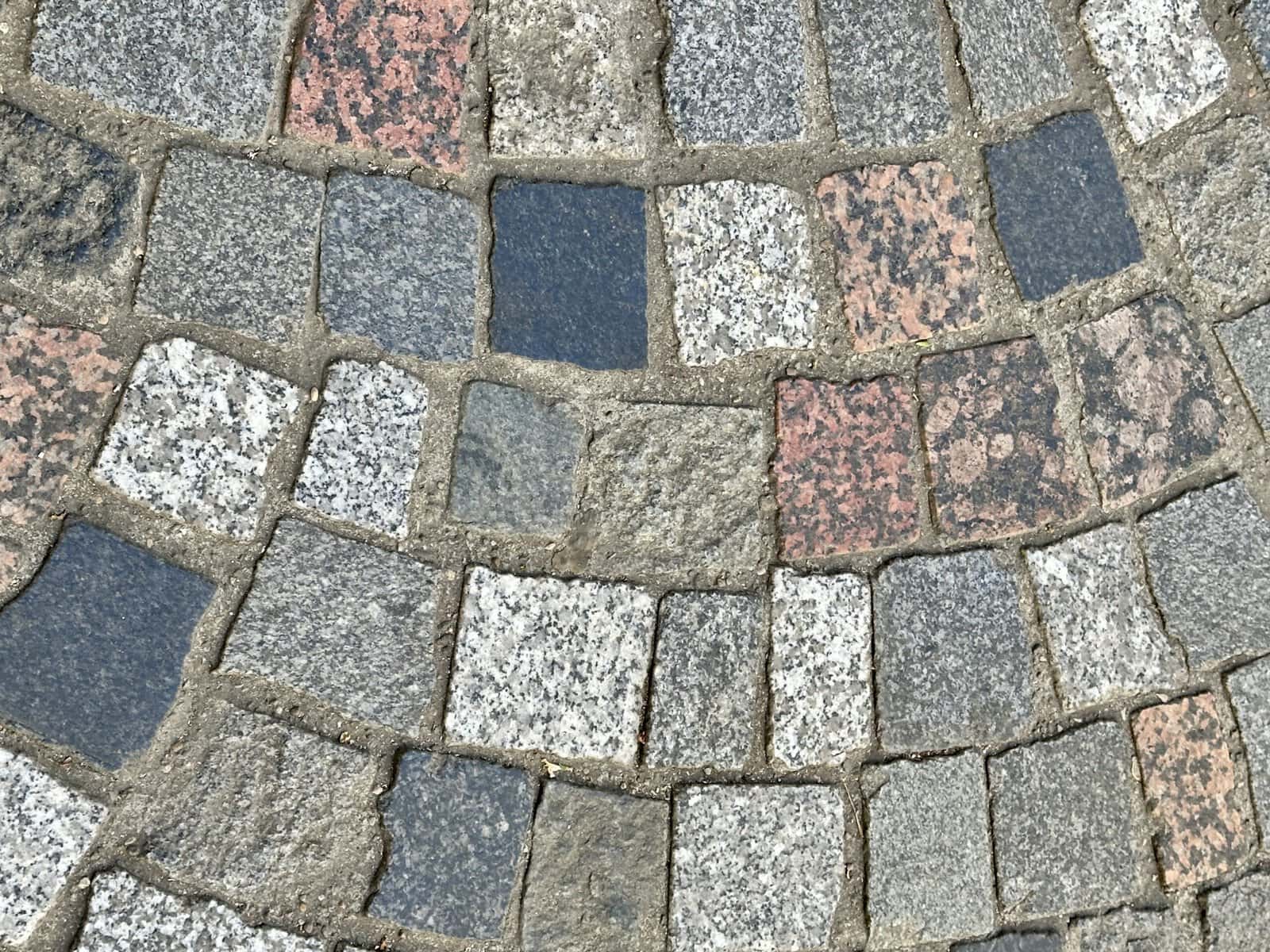
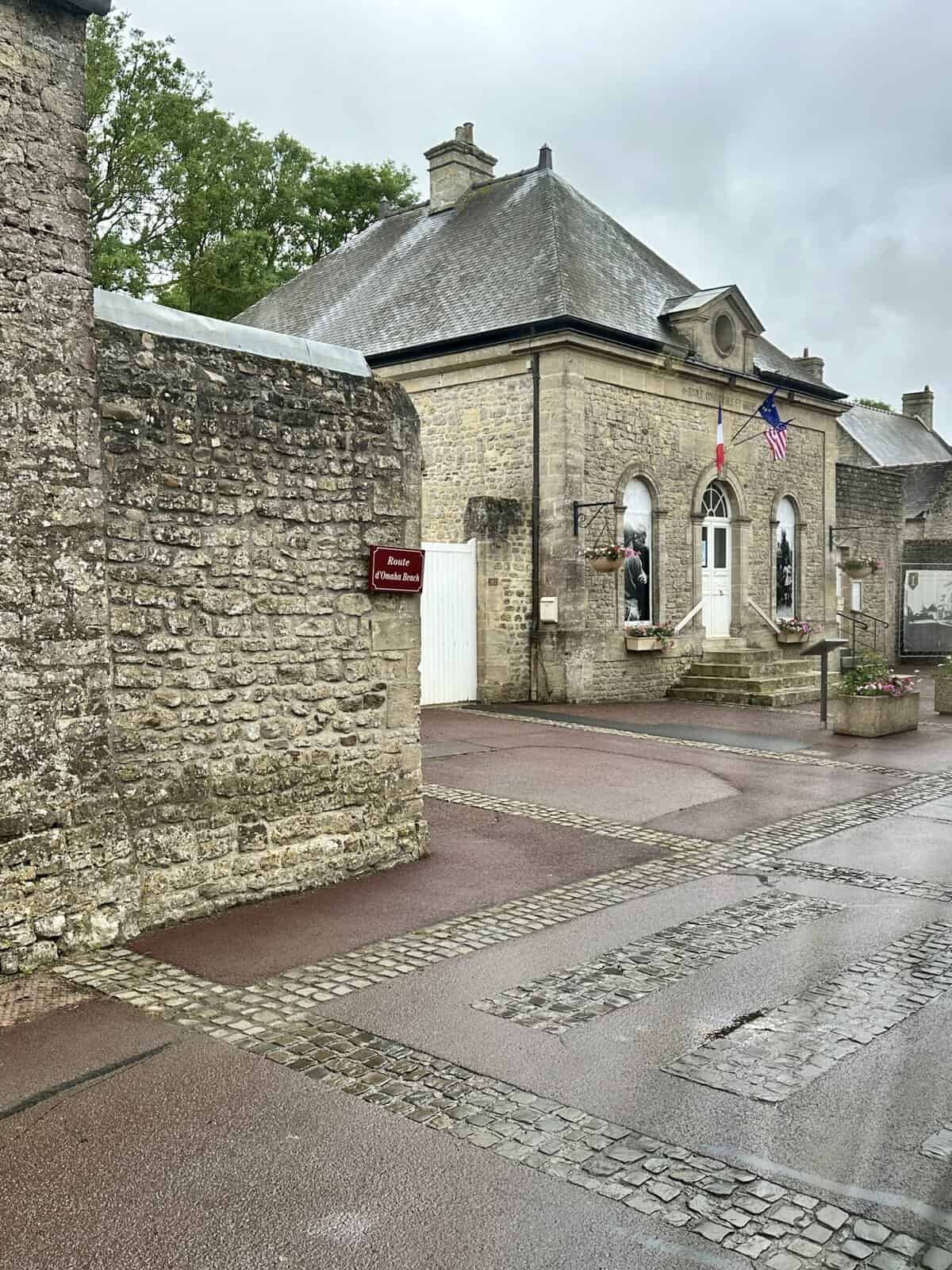
The stones beneath my feet had changed. For blocks, they’d been laid in sweeping fans — arc after arc of small granite setts, radiating like peacock tails across the street. Then, mid-block, the fans stopped. The stones turned and ran diagonally, sharp forty-five-degree lines cutting across the lane. A few streets later, they settled into the plainest arrangement of all: a simple brick pattern, row after staggered row, the same running bond you’d see on any garden path back home.
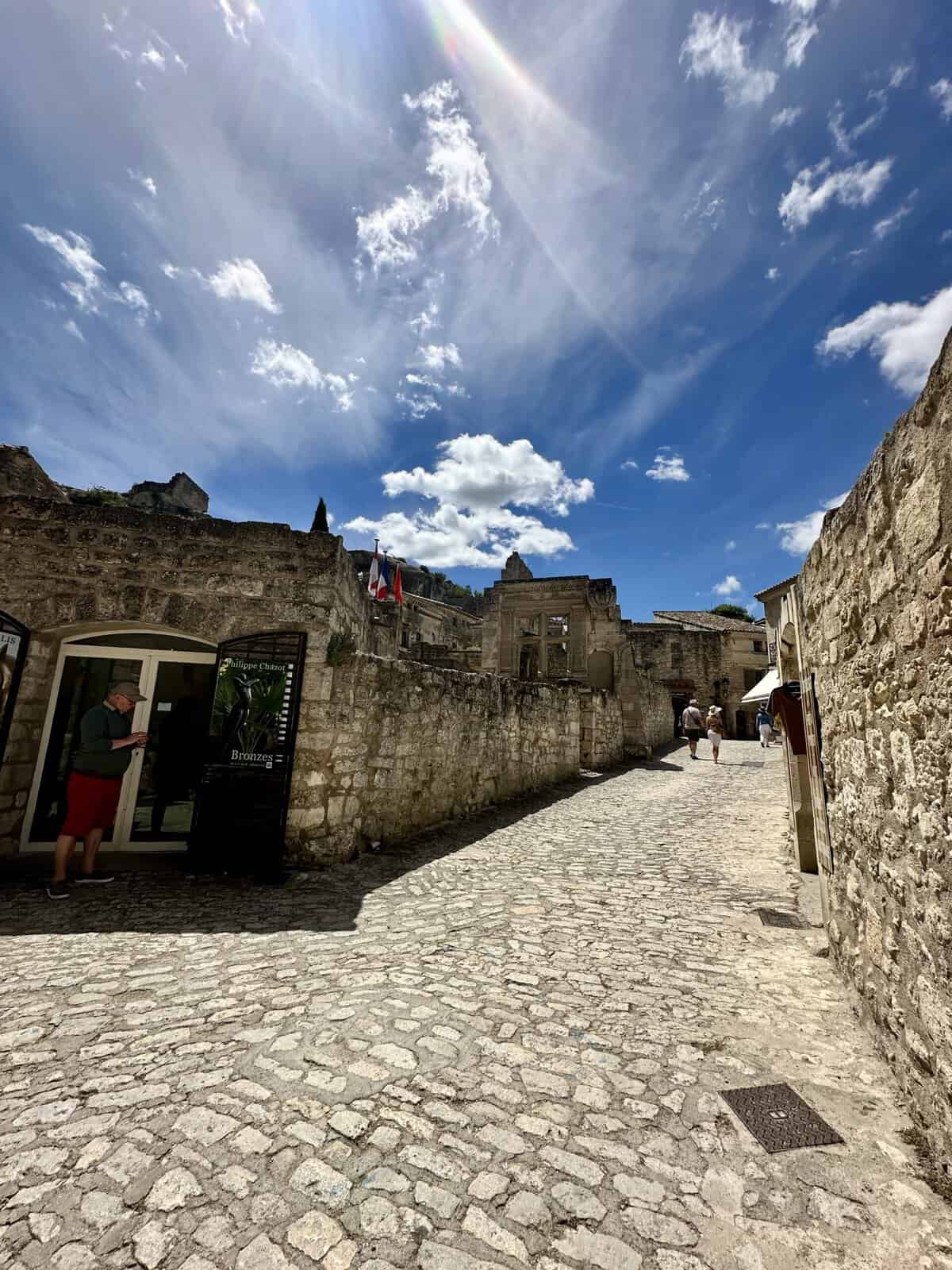
No sign explained the shift. No plaque marked the transition. But the street was telling me something anyway: each seam marks a different paving campaign — a different generation of hands, solving a different generation’s problems. The fans belong to the age of carts and craftsmen. That pattern (the French call it pavé en éventail) is one of the oldest sett-paving designs there is, and it was never just for beauty: the interlocking arcs spread the weight of hooves and iron wheels across a wide area, and laying them took real skill — the stones at the ends of each arc had to be cut smaller than the ones at the center.
The diagonal runs solved a problem too: set courses at an angle to traffic and wheels can’t carve a rut along any single seam. And the plain running bond almost certainly marks the later campaigns — once cars replaced carts and machines replaced artisans, the slow patterns lost their structural reason for being, and the economics favored the simplest bond that worked.
The city had written its maintenance history in pattern — what each era needed, what it valued, what it could afford — and anyone could read it just by looking down.
And when you choose a flooring pattern for your home, you’re choosing what story the room tells before a single piece of furniture arrives.
The Fan: Pattern as Artistry
The fan pattern — the French call it pavé en éventail — is the showpiece. It cannot be rushed. Every stone is placed by hand in relation to its neighbors, each arc built outward from a center point. It exists because someone decided the street deserved that much care.
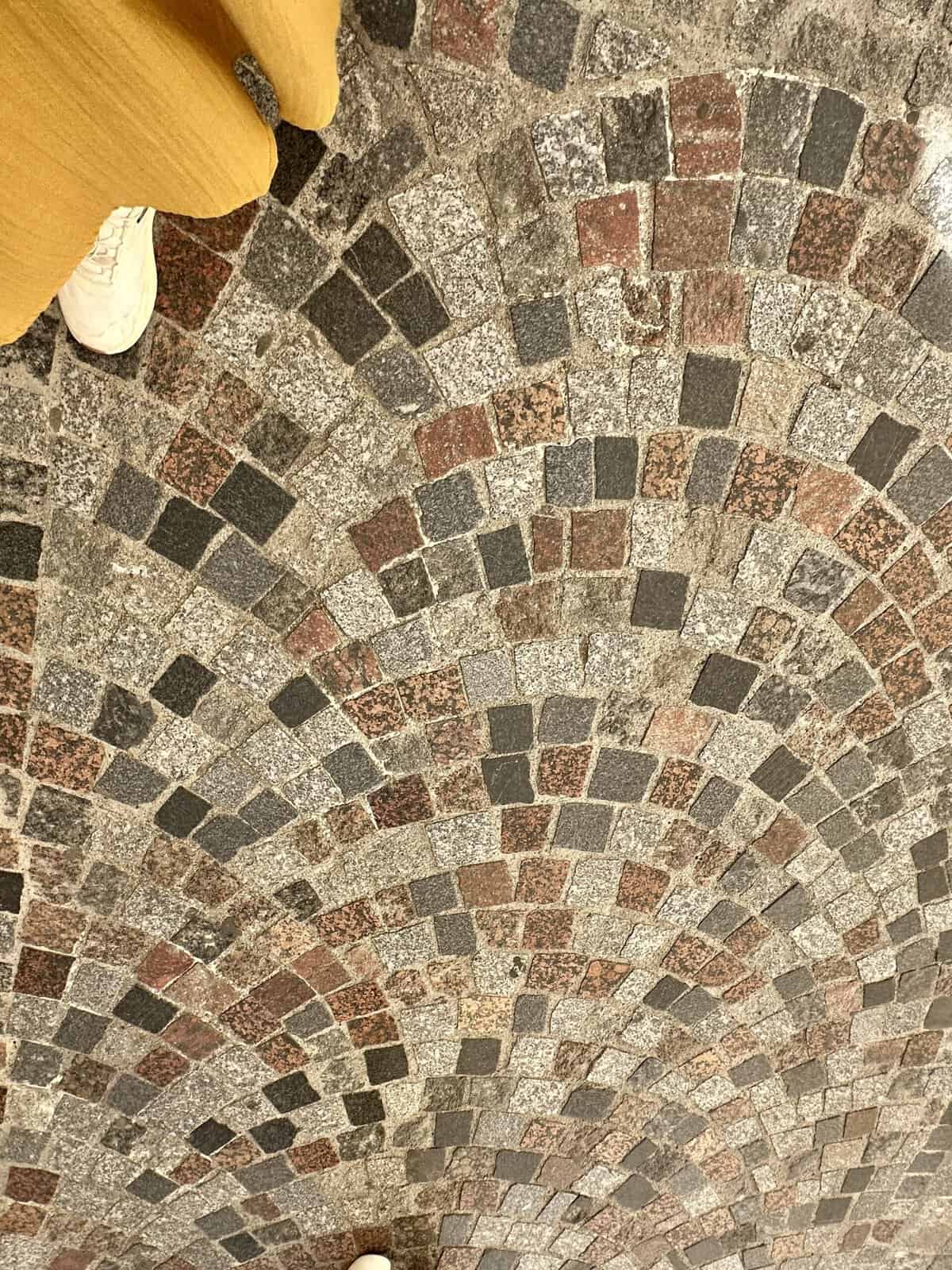
In interiors, the fan’s descendants are everywhere once you know to look: scalloped mosaic tile in a foyer, fan-set penny rounds on a bathroom floor, the curved marble mosaics of grand old hotel lobbies. Mosaic flooring is the fan pattern’s closest cousin — thousands of small pieces, individually placed, adding up to something no large-format tile can imitate.
Where it works best: entries, powder rooms, fireplace surrounds — the small, high-impact spaces where a client will actually see and appreciate the detail daily. A fan or mosaic floor in a tight footprint gives you the craftsmanship story without the budget of doing a whole house. It says: this home was considered.
The Diagonal: Pattern as Movement
The diagonal sections of those French streets used the very same stones as the plain ones — the only thing that changed was the angle. And that angle was doing quiet engineering: when courses run diagonal to traffic, a wheel crosses dozens of joints instead of tracking along one, so no single seam ever wears into a rut. (Modern paving tests still confirm it — the 45-degree layout outperforms every other common pattern under vehicles.) But the angle changes something for the eye, too. Diagonal lines have motion. They pull your eye forward and make a narrow passage feel wider, because the longest sightline in any rectangular space is corner to corner.
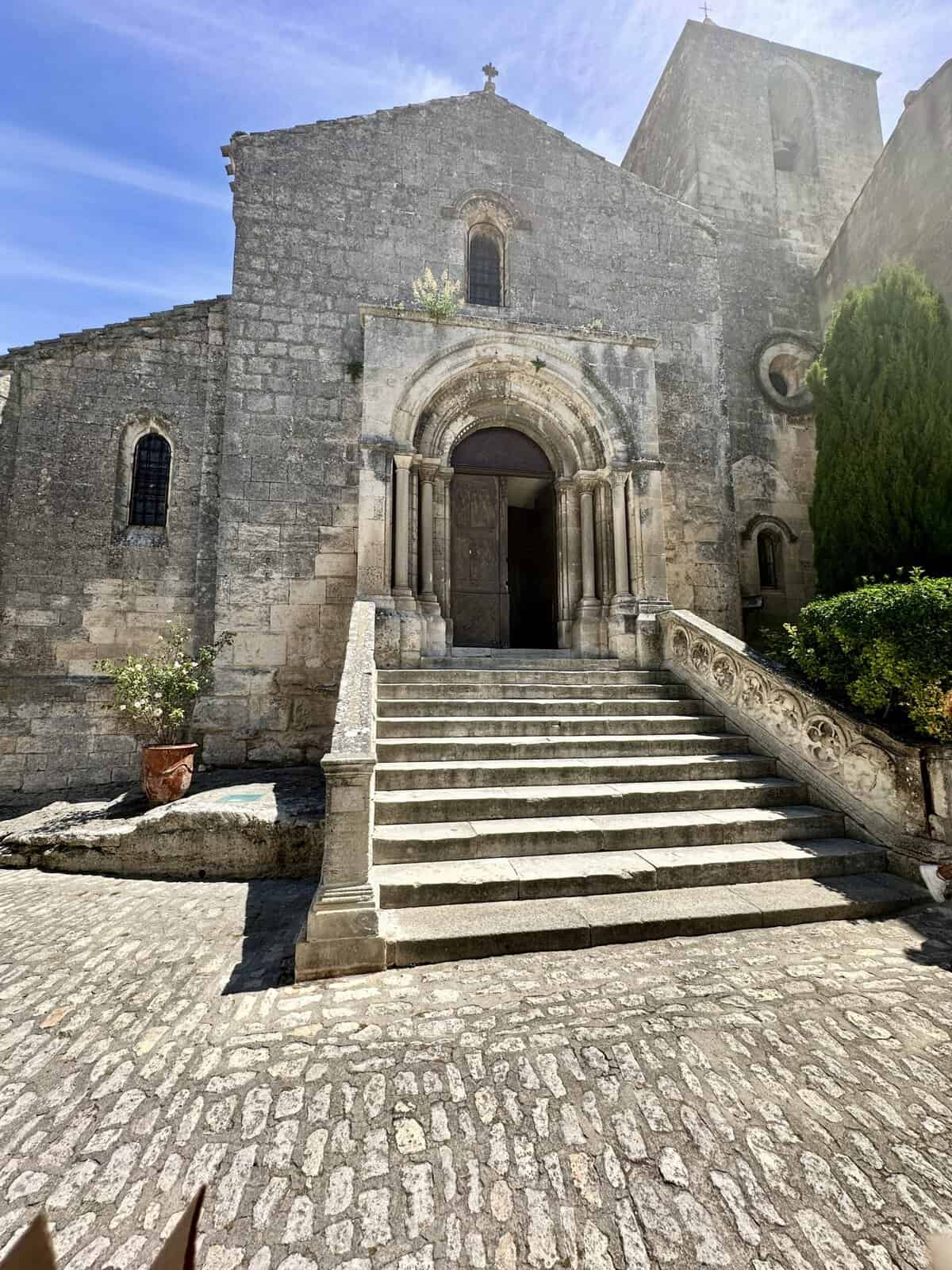
The interior translation is direct. Tile set on point instead of square. Hardwood run at forty-five degrees to the walls. Herringbone — the most beloved diagonal of all, and no coincidence that it reached its full glory in French parquet. Walk the halls of Versailles and you’re walking on diagonals: point de Hongrie, chevron, herringbone, patterns developed centuries ago precisely because angled wood blocks resist warping and, frankly, because they’re beautiful.
Where it works best: hallways and galley kitchens that need visual widening, living rooms that want energy, and any space where the architecture is plain and the floor has to do the talking. A herringbone floor in an otherwise simple room is like a silk lining in a plain coat.
The Running Bond: Pattern as Classic
And then there’s running bond — the humble brick pattern. It’s the workhorse: fast to lay, forgiving of imperfect stones, sturdy. It’s also, I’d argue, deeply underrated.
In a home, running bond is the pattern you choose when the material itself is the star. Wide-plank oak, honed limestone, handmade zellige — lay these in a simple staggered bond and the pattern recedes so the material can speak. It’s the flooring equivalent of a white shirt: never wrong, quietly elegant, and the best possible backdrop for everything else in the room.
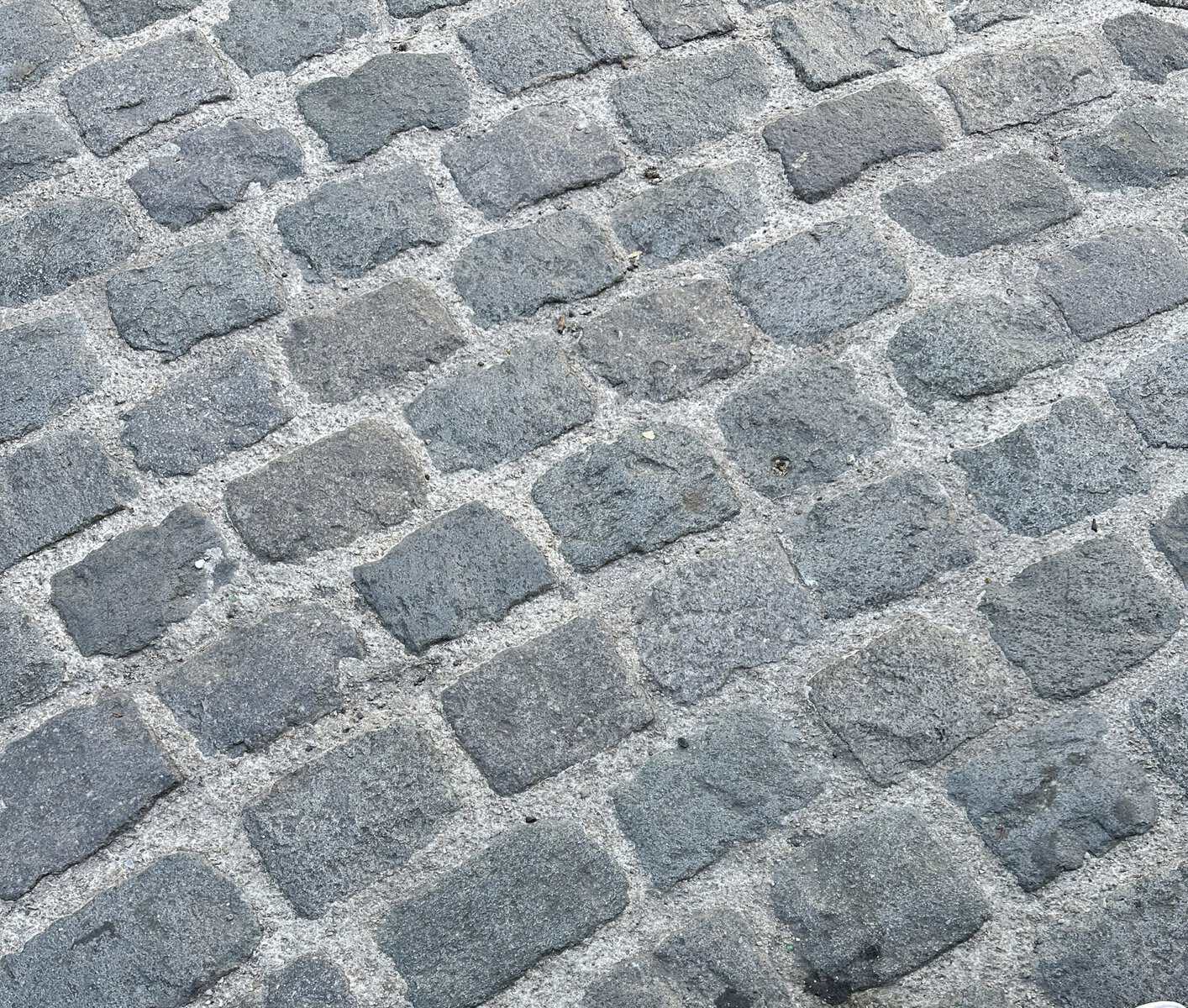
Where it works best: whole-house flooring, open plans, kitchens, and anywhere you want calm continuity from room to room. If the fan is the statement and the diagonal is the gesture, the running bond is the exhale.
Letting Patterns Meet
Here’s the part of that French street I keep coming back to: the patterns changed, and the street was more beautiful for it. The seams weren’t flaws. They were the whole point.
We’re often told a home’s flooring should be uniform — one material, one direction, one pattern throughout. There’s wisdom in that for small spaces. But the French streets make the counterargument: a considered shift in pattern can mark a threshold, honor a transition, and give a home the layered, collected-over-time quality that makes old houses so magnetic.
A mosaic “rug” of fan-set tile at the front door, dissolving into running-bond oak. Herringbone in the dining room turning to straight plank in the hall. A border stone marking the seam, the way a Parisian curb line separates one era’s paving from the next. Done with intention, these transitions don’t fragment a home — they give it a history, even a brand-new build can feel rooted.
That’s what I learned looking down instead of up in France.
The floor is never just the floor.
It’s the first thing a space says and the last thing we think to listen to.
Until later – keeping creating home, my friends.

If your floors could use a story of their own — whether that’s a hand-set mosaic entry or herringbone that finally does your living room justice — I’d love to talk. [Book a consultation] or browse [our portfolio] to see how we’ve put pattern to work.

Joy Maier is the founder and principal designer of The Aspiring Home Interiors, an award-winning studio serving the greater Dallas area and beyond. Blending gracious living with elevated design expertise, Joy creates interiors that feel deeply personal, beautifully refined, and effortlessly livable — from full-home renovations to boutique vacation rentals. Her professional affiliations include ASID (Associate), ART, the Interior Design Society (Professional), NKBA, VRD Collective, and she is a founding member of Designers for Dogs. Since 2012, she has shared design tips and heartfelt stories on The Aspiring Home Blog. Her philosophy is simple: “Design should feel like a deep breath. When we get it right, your home greets you with that exhale every single day.”