
Stop Designing for Resale — Design for You (And Watch What Happens)
You’ve heard it. Maybe a real estate agent said it. Maybe a well-meaning friend said it. Maybe you’ve been saying it to yourself every time you almost committed to something you actually loved:
“But what about resale value?”
For decades, that phrase has been the invisible hand pushing homeowners toward beige walls, builder-grade finishes, and rooms that look like nobody actually lives in them. And I get it — your home is likely your biggest investment. You want to protect it.
But here’s what I’ve been watching shift — especially here in North Texas, where I design for families in Prosper, Frisco, Plano, McKinney, and all across the DFW area — and what I believe with everything in me after years of doing this work:
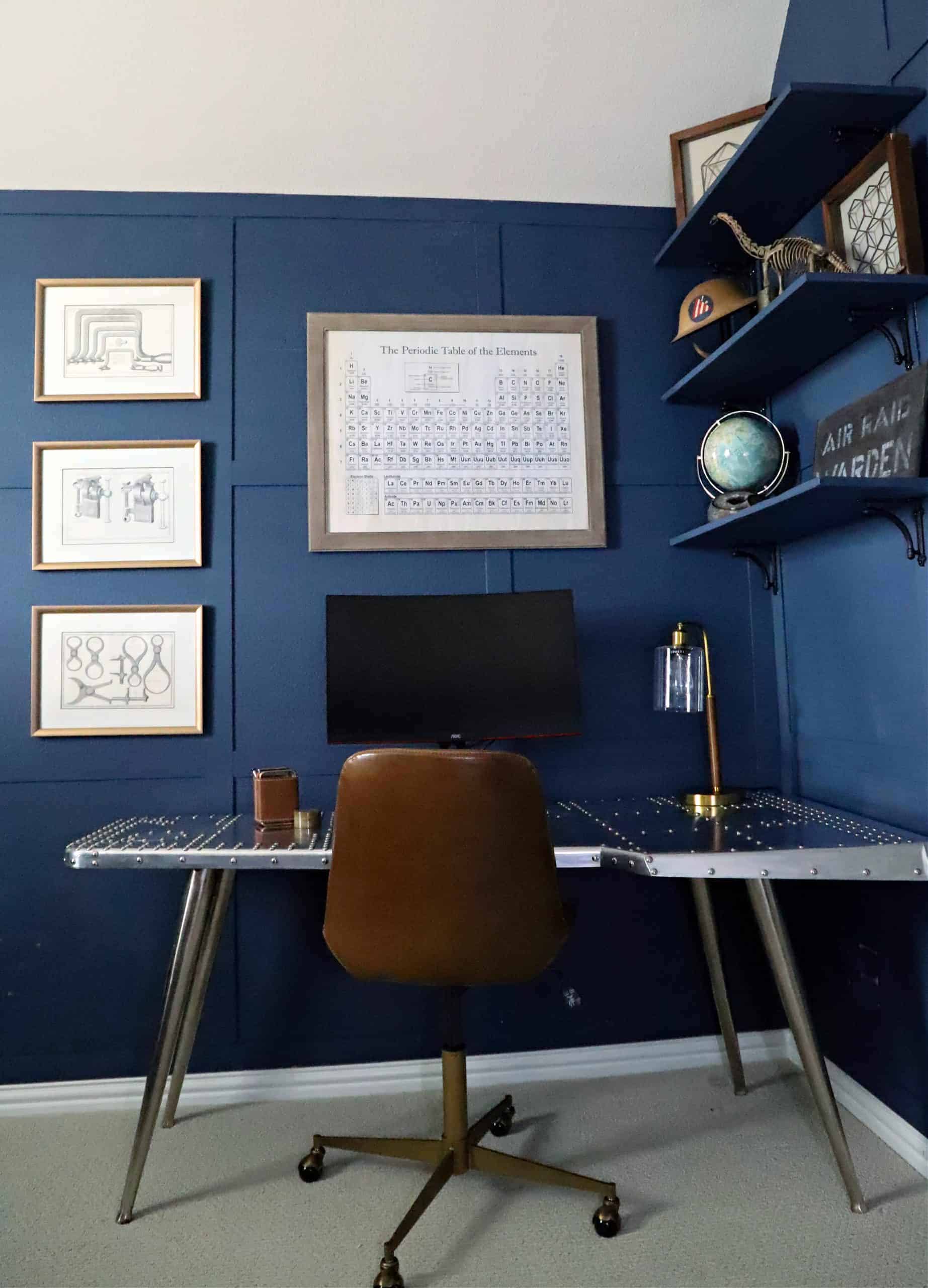
A home that has been thoughtfully, intentionally made into someone’s HOME does not hurt your resale value. In many cases, it helps it.
Let me tell you why.
First: the resale rule came from fear, not data.
The ‘design for resale’ mindset made sense in a specific era — when people moved every five to seven years and cookie-cutter homes were easier to sell quickly because buyers could project anything they wanted onto a blank slate.
But that era is changing. People are staying in their homes longer. They’re investing more deeply in the spaces they live in. The pandemic accelerated something that was already happening: people started asking what it actually felt like to be inside their own four walls. And a lot of them didn’t love the answer.
At the Kitchen and Bath International Show in 2024, one of the clearest trends I saw was exactly this shift — away from ‘safe for everyone’ and toward ‘right for me.’ Intense color. Personalized cabinetry. Spaces designed for wellness and lived experience, not just square footage. The industry is moving because the homeowner is moving.
“Making a house a home” isn’t a design trend. It’s a return to what home was always supposed to be.
Here’s what actually happens when a home has soul.
I want you to think about the last time you walked into a home — a friend’s house, an open house, anywhere — and felt something.
Not just ‘oh, this is nice’ but an actual feeling.
Warmth. Character. The sense that real people with real lives belong there.
That feeling doesn’t happen in a beige box. It happens in a home that has been LOVED.
And buyers feel it too. When a home has been thoughtfully designed — when every room has intention, every space has warmth, and you can feel the care that went into it — buyers respond emotionally. They want it. They can see themselves in it, not despite the personality, but because of it.
Here’s what the data and my experience both show: the homes that sell quickly and for strong prices in North Texas are not the most neutral ones. They’re the ones that are move-in ready, beautifully finished, and feel like somewhere a person would actually want to live and make memories. It’s opening future buyers to see possibilities for their own life in a new way instead of designing through the “blank canvas” lens.
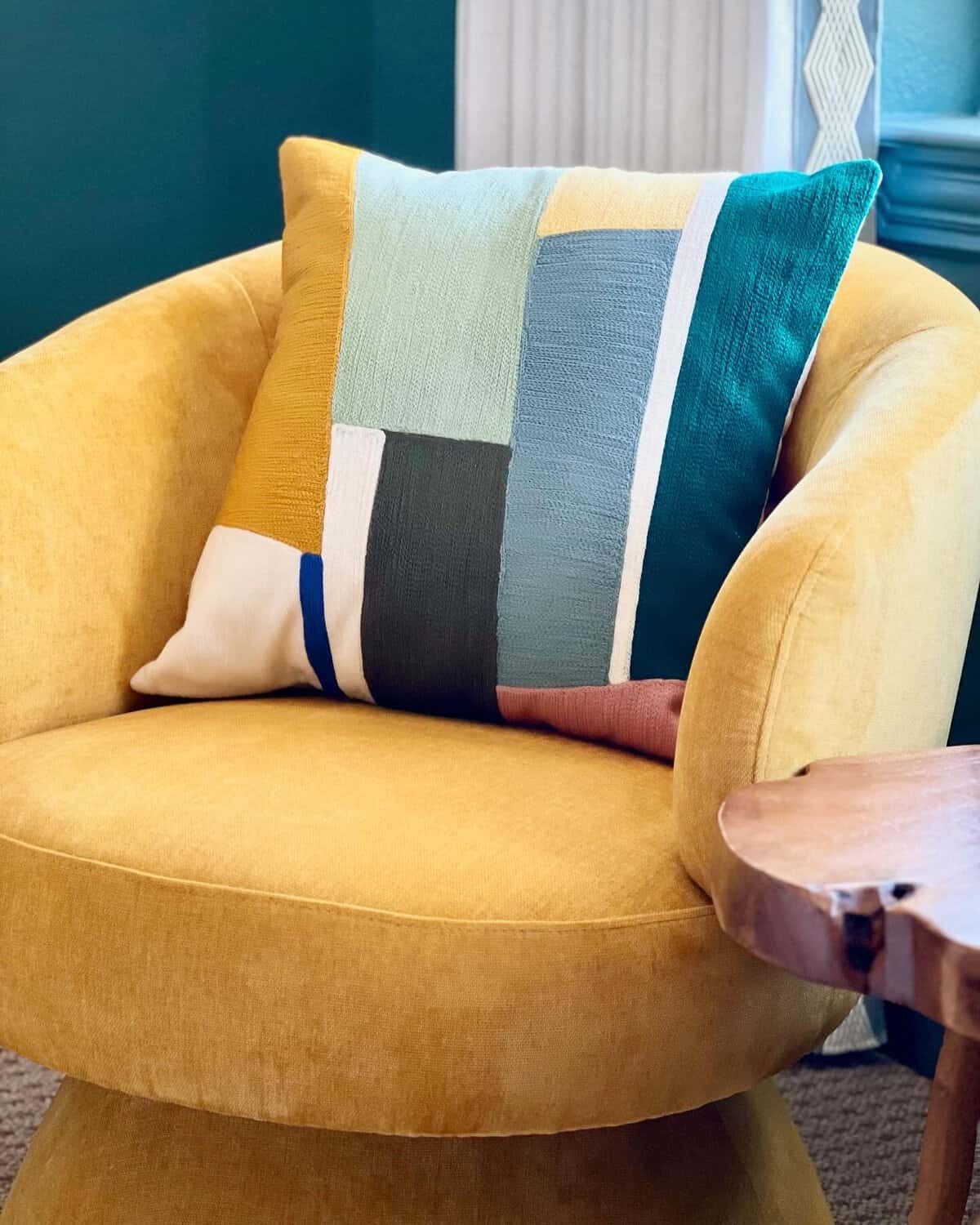
The key word is ‘thoughtfully.’ There’s a difference.
I want to be careful here, because I’m not saying ‘do whatever you want and it will definitely help resale.’ That’s not the honest answer.
There’s a difference between personalizing your home thoughtfully and making choices that are difficult or expensive for the next owner to undo. Here’s how I think about it:
What works beautifully — for you AND eventual buyers:
• Quality materials and craftsmanship. When you invest in real stone, solid wood, quality hardware, and durable finishes because you love them and want them to last — that investment shows. Buyers can see and feel the difference between quality and budget.
• Timeless personal touches. A kitchen painted in a rich, saturated tone that’s been applied beautifully with quality paint reads as ‘stunning’ to most buyers. A kitchen with a good floor plan, great light, and a color story that has intention — that sells.
• Spaces designed for real life. A home office designed to actually work. A primary bedroom designed for rest. A bathroom designed for wellness. These aren’t quirky choices — they’re universally desirable, personalized to a high standard.
• Cohesion. This is the big one. A home where every room tells the same story — same palette family, same quality level, same level of care — feels complete. Buyers don’t have to imagine finishing it. They just have to move in.
What can hurt resale if you’re not careful:
• Hyper-specific built-ins or structural changes. A custom home theater that required removing a bedroom… unless you have 7 plus bedrooms then put that theater in! A lone hall closet being converted to something else like a bookshelf when a buyer would want a place to you know, hang a coat or store bed linens These are the choices worth thinking through before you commit.
• Trendy over timeless. There’s a difference between ‘colorful and intentional’ and ‘trendy in 2021 and dated by 2026.’ A good designer helps you see that line.
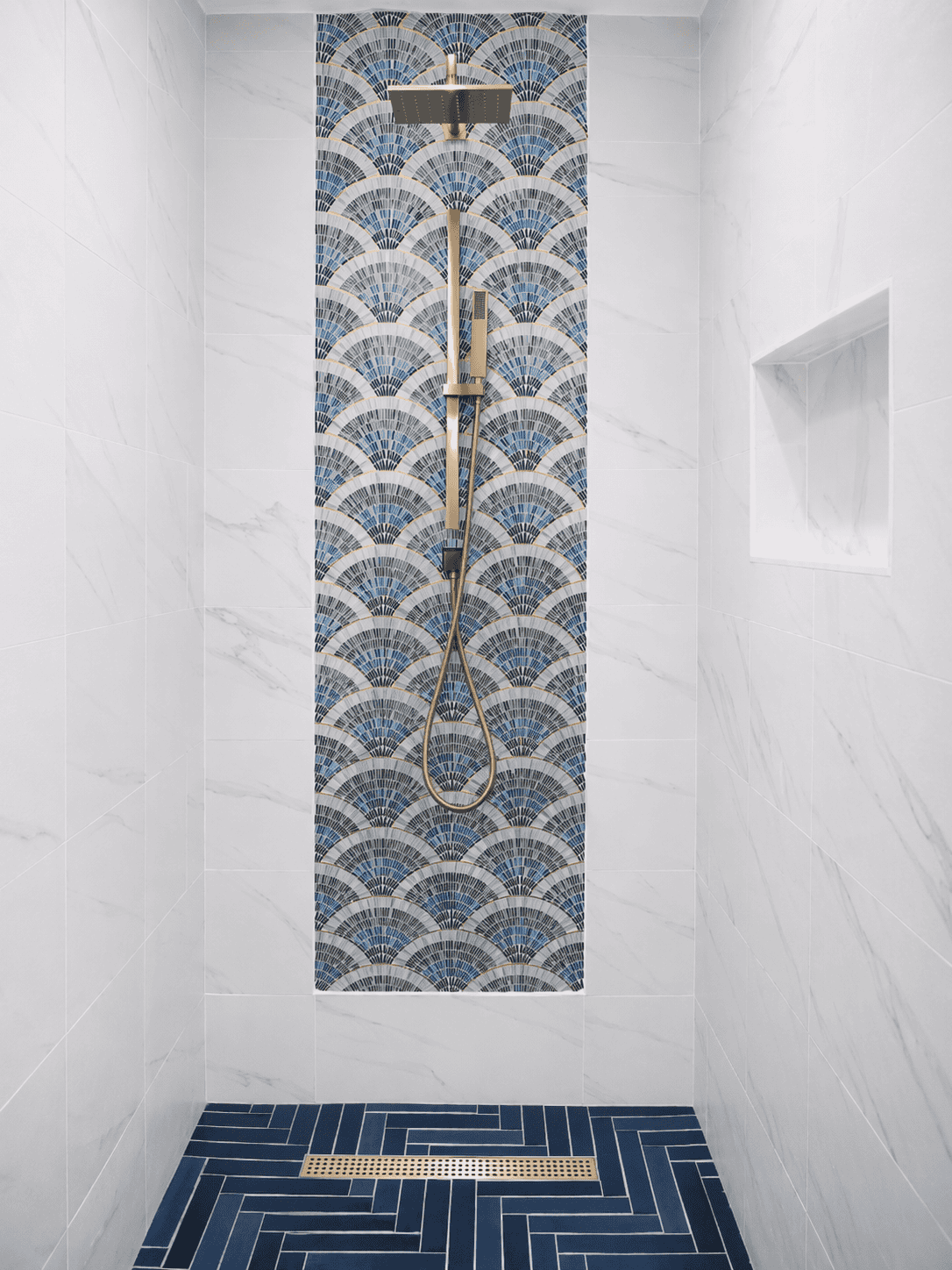
• Inconsistent quality levels. A stunning primary suite next to a bathroom that hasn’t been touched since 1987 creates a disconnect that buyers notice and believe me… that will be the topic of conversation for buyers after they leave your property. Cohesion matters more than any single wow moment.
“Where house becomes home”® — and why that sells.
This is my registered trademark and my life’s work: the belief that a house becomes a home when it reflects the people who live in it. Not a magazine. Not a model home. The actual humans with their actual lives and their actual story.
Here’s what I’ve seen over and over again: the clients who fully commit to making their home feel like theirs — who stop apologizing for their color choices and stop second-guessing their instincts and just let us design something that is genuinely, beautifully THEM — those are the clients who, years later, tell me their home was one of the easiest, fastest sales in their neighborhood.
Because you know what buyers are really looking for? They’re looking for a home that feels like somewhere they could belong. And a home built with love and intention radiates exactly that — even to someone who has never met the people who lived there.
“The homes that sell themselves are the ones you can feel the moment you walk through the door.”
So what should you actually do?
Stop asking ‘is this good for resale?’ as the first question. Start asking: ‘Is this well-made? Is this intentional? Is this something I’ll genuinely love for years — not just because it’s trendy, but because it’s me?’
If the answer is yes — do it. Design the home you actually want to live in. Work with someone who understands the difference between personal and impractical, between bold and chaotic, between a home with character and a home that’s hard to sell.
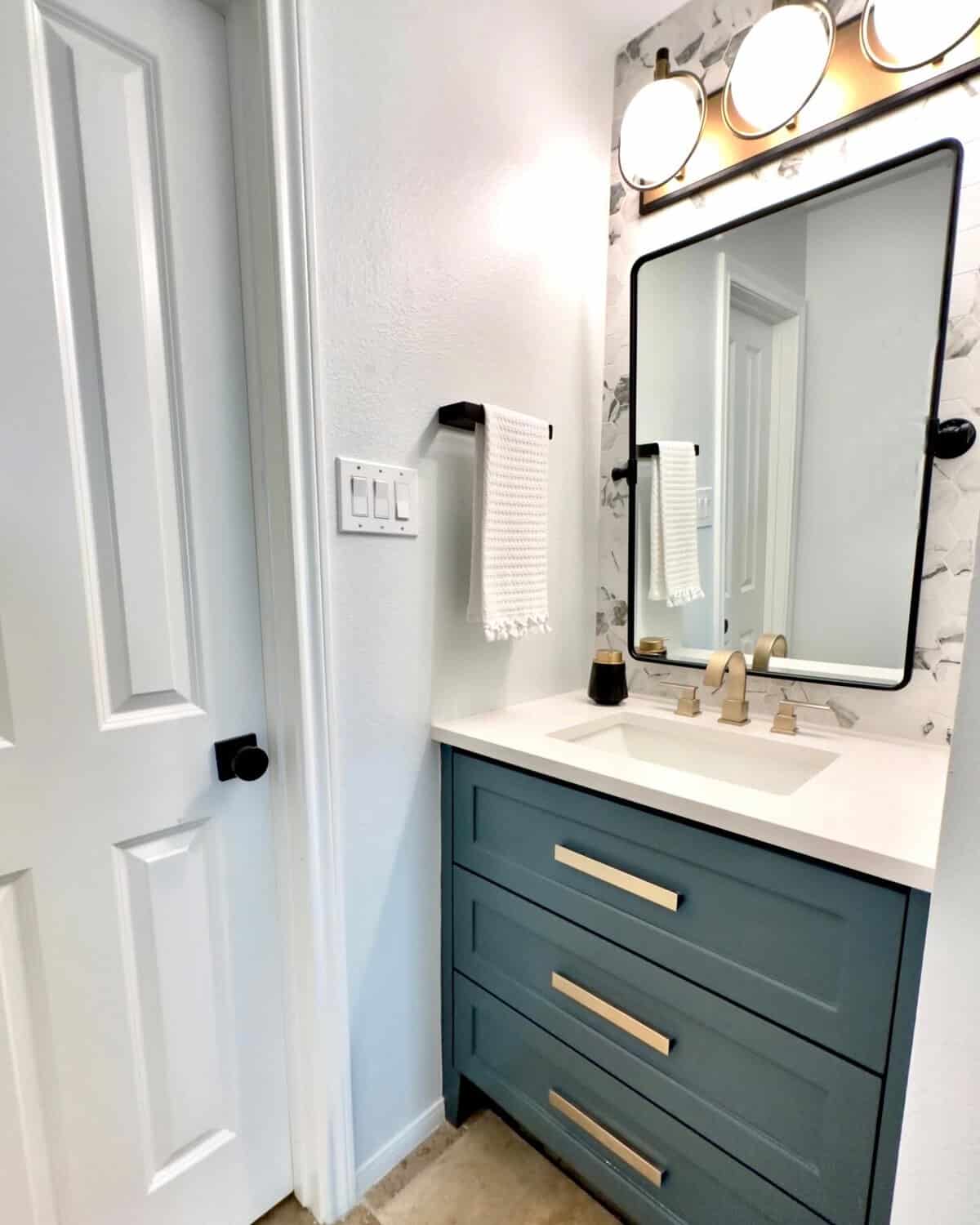
That’s exactly what I do for my clients in Prosper, Frisco, Plano, Allen, McKinney, and throughout North Texas.
Your home should tell your story. And when it does — when it really does — the next family who walks through that door will feel it. And they’ll want it.
Keep creating home, friends.

Ready to read more? Check out my guide for new construction kitchens.

Joy Maier is the founder and principal designer of The Aspiring Home Interiors, an award-winning studio serving the greater Dallas area and beyond. Blending gracious living with elevated design expertise, Joy creates interiors that feel deeply personal, beautifully refined, and effortlessly livable — from full-home renovations to boutique vacation rentals. Her professional affiliations include ASID (Associate), ART, the Interior Design Society (Professional), NKBA, VRD Collective, and she is a founding member of Designers for Dogs. Since 2012, she has shared design tips and heartfelt stories on The Aspiring Home Blog. Her philosophy is simple: “Design should feel like a deep breath. When we get it right, your home greets you with that exhale every single day.”